
Articles in this Arts and narrative guide
Humanity communicates through a complex web of symbols, sounds, and movements. While simple communication conveys information, art transforms that information into a narrative that resonates across generations. This cluster of artistic expression—encompassing the visual power of film, the emotional resonance of music, and the visceral presence of live theater—serves as the primary vehicle for understanding the human condition. By examining how these disciplines intersect, we gain a clearer picture of how stories are not just told, but experienced and internalized.
The relationship between different artistic mediums is rarely linear. Instead, it is a symbiotic exchange where one form enhances the strengths of another. A script provides the skeleton of a story, but it is the lighting, the score, and the physical performance that provide the flesh and spirit. This exploration into performance and culture seeks to deconstruct those layers, revealing the mechanics behind the stories that define our lives.
The Synergy of Mediums: Film, Music, and Artistic Expression
Film is frequently described as a universal language because of its ability to transcend linguistic barriers through visual composition. A single shot of a character’s expression can convey more than pages of dialogue. However, the visual element of cinema does not function in a vacuum. It relies heavily on the auditory layer to guide the audience's emotional response. When we look at the history of cinema, the transition from silent films to the "talkies" was not just about adding dialogue; it was about integrating music as a permanent, structural component of the narrative.
Music acts as the emotional undercurrent of any visual production. In film, a director uses a score to signal tension, relief, or impending tragedy long before the characters on screen realize what is happening. This relationship is a primary focus when exploring the connection between film, music and the broader spectrum of artistic expression. The music provides a rhythmic framework that dictates the pacing of the edit, ensuring that the visual and auditory experiences are perfectly synchronized to maximize impact.
Consider the role of the leitmotif—a recurring musical theme associated with a specific character, idea, or place. This technique, popularized in opera and later perfected in film scores, allows the composer to tell a parallel story. When a specific melody plays, the audience is subconsciously reminded of a previous event or a character’s internal struggle, even if they aren't visible on screen. This synergy creates a multidimensional narrative that is far more immersive than a story told through a single medium.
Beyond film, this connection extends to live performance and digital media. The same principles apply: music establishes the mood, while the visual elements provide the context. Whether it is a minimalist soundscape in a modern art installation or a sweeping orchestral score in a historical drama, the interplay between sound and sight remains a fundamental pillar of how we interpret creative works.
Cultural Foundations: How Society Shapes the Stories We Tell
No story is created in a vacuum. Every narrative is a product of the culture from which it emerges, drawing on a deep well of shared history, folklore, and social values. Culture provides the framework through which we interpret the world, and art is the tool we use to document and challenge those interpretations. From ancient oral traditions to high-definition digital streaming, the way arts and culture shape the way we perceive narratives remains a constant force in human development.
Folklore and mythology often serve as the earliest blueprints for storytelling. These ancient tales were not merely for entertainment; they were instructional, designed to pass down moral codes and survival strategies. In modern storytelling, these archetypes persist. We see the hero’s journey, the trickster, and the tragic figure repeated in contemporary films and plays, adapted to fit the anxieties and aspirations of the current day. This continuity suggests that while our technology changes, our fundamental cultural needs remain the same.
The influence of culture is also visible in the aesthetic choices of different regions. The vibrant colors and rhythmic structures of South Asian cinema, the stark realism of Scandinavian drama, or the high-energy spectacle of American musical theater all reflect specific cultural identities. These styles are not arbitrary; they are rooted in the historical experiences and artistic traditions of their respective societies. By engaging with these diverse forms of storytelling, audiences can gain empathy and insight into lives and perspectives far different from their own.
Furthermore, arts and culture act as a mirror to society, reflecting its progress and its failures. When a culture undergoes significant change—such as a technological revolution or a social movement—the stories it produces shift accordingly. This makes the study of narrative an essential part of understanding history. By looking at the popular stories of a specific era, we can identify what that society valued, what it feared, and what it hoped to achieve.
The Living Stage: Theater’s Role in Contemporary Culture
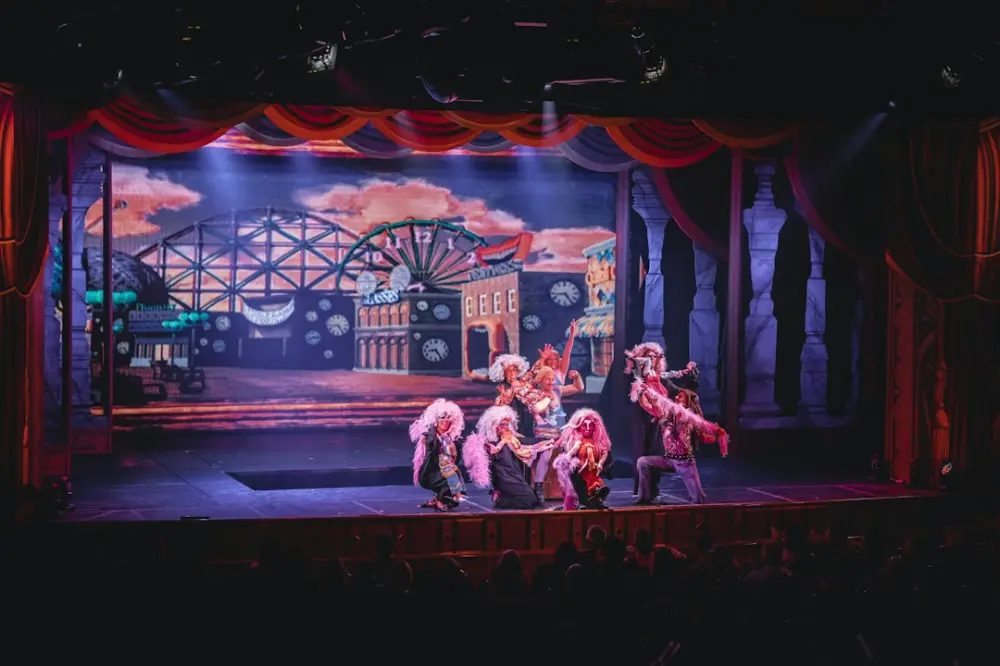
In an age where digital content is available at the touch of a button, the persistence of live theater might seem surprising to some. However, the unique power of the stage lies in its immediacy and its physical presence. Unlike a film, which is a fixed recording of a past event, a theatrical performance happens in real-time. This creates a "living bridge" between the performers and the audience, where the energy in the room can actually influence the quality of the show.
One of the primary reasons theater remains a vital part of our social fabric is its ability to create shared experiences. In a theater, the audience participates in a collective act of imagination. When the lights go down, a group of strangers agrees to suspend their disbelief and enter a world created by actors, sets, and sound. This communal aspect is something that cannot be replicated by a personal device or a home cinema setup. It fosters a sense of connection and shared humanity that is increasingly rare in a fragmented digital world.
Theater also serves as a critical space for social commentary. Because live performances are often produced on a smaller, more localized scale than major films, they can react more quickly to current events. Playwrights and directors use the stage to explore complex themes of identity, justice, and family in a way that encourages direct engagement and dialogue. The physical presence of the actors makes the stakes feel higher; the emotions are not filtered through a screen, but are expressed just a few feet away from the viewer.
Additionally, theater is a guardian of artistic heritage. It is the medium where classic works are constantly reimagined for new generations. A production of a centuries-old play can be staged in a way that feels entirely modern, proving the timelessness of human conflict and emotion. This ability to bridge the gap between the past and the present ensures that theater remains a dynamic and necessary component of the global artistic narrative.
Narrative Architecture: The Mechanics of Performance Storytelling
To understand the art of narrative, one must look at the "architecture" of the story—the technical and creative components that hold the structure together. Whether in a film or on a stage, storytelling is a craft that requires the precise coordination of multiple elements. This process begins with the script but is ultimately defined by the choices made in production and performance.
Visual Composition and Cinematography
In visual mediums, the way a story is framed determines how the audience perceives the characters. A wide shot can emphasize a character's isolation or the vastness of their environment, while a close-up forces the viewer to confront intense emotion. Lighting also plays a crucial role in this architecture. High-contrast lighting (chiaroscuro) can create a sense of mystery or moral ambiguity, while soft, bright lighting might suggest innocence or clarity. These are not just aesthetic choices; they are narrative tools that guide the viewer's understanding of the plot.
Sound Design and Atmospheric Scores
While music provides the emotional heart, sound design provides the texture. The rustle of leaves, the distant hum of a city, or the absolute silence of a vacuum all contribute to the world-building of a story. In theater, sound design must be even more strategic, as it often has to compensate for the lack of a literal environment. A well-placed sound effect can transport an audience from a small stage to the middle of a thunderstorm or a crowded marketplace, proving that the ear is just as important as the eye in narrative immersion.
The Physicality of Performance
The actor is the final piece of the narrative puzzle. In both film and theater, the performer must translate abstract themes into human behavior. This involves more than just speaking lines; it requires a deep understanding of physicality, subtext, and timing. In theater, this performance must be large enough to reach the back of the house, while in film, it must be subtle enough to withstand the scrutiny of a high-definition camera. The ability of an actor to convey complex internal states through movement and expression is what ultimately makes a story relatable to the audience.
The Future of Human-Centered Artistic Narrative
As we look toward the future of arts and narrative, the focus is shifting toward even more immersive and interactive forms of storytelling. Virtual reality, augmented reality, and interactive theater are beginning to blur the lines between the creator and the audience. However, regardless of the technology used, the core of a successful narrative will always remain human-centered. The tools may change, but the desire to see our own experiences reflected in art does not.
For those looking to engage more deeply with the arts and narrative niche, there are several practical ways to enhance your understanding and appreciation of these forms:
- Practice Active Consumption: When watching a film or a play, try to identify the specific elements that are making you feel a certain way. Is it the music? The lighting? The way the actors are positioned? Breaking down the experience helps you see the "architecture" behind the art.
- Explore Cross-Disciplinary Works: Look for projects that intentionally blend mediums, such as filmed theater, concept albums with visual components, or video games with strong cinematic narratives. This will help you see the synergy between different art forms in action.
- Support Local and Live Arts: The vitality of theater and live performance depends on audience participation. Attending local productions provides a firsthand look at the "shared experience" that is so central to the medium.
- Analyze Cultural Context: Before engaging with a work from a different culture or time period, do a small amount of research on the social climate of that era. Understanding the "why" behind a story adds layers of meaning that might otherwise be missed.
Ultimately, the art of narrative is about connection. It is the bridge between the individual and the collective, the past and the present, and the real and the imagined. By exploring the connections between film, music, culture, and theater, we can better appreciate the complex, beautiful ways that humans share their stories with the world.
Further Reading and Resources
To continue your journey through the world of arts and narrative, explore these in-depth articles on the specific disciplines that shape our cultural experience:
- exploring the connection between film, music: A deep dive into how auditory and visual elements combine to create immersive cinematic worlds.
- arts and culture shape the way: An examination of the societal foundations that provide the context and meaning for our most cherished narratives.
- theater remains a vital part of: An exploration of the unique power of live performance and why the stage continues to be a relevant force in the digital age.